Happy (very belated) Mother’s Day to all my mommas! I realized I sent this to my email list over a month ago and in all the happy chaos of the last month, I forgot to post it here! I hope everyone had a restful day filled with love and appreciation for all you do.
But, I want to acknowledge something—I know I saw a lot of social media posts about disappointments, frustrations, overwhelm. So if that was your experience, I’m sorry—and you certainly aren’t alone.
I also saw and heard of a lot of self-advocacy and plans (from babysitter for the day to hotel room alone!)—so just keep that in your back pocket if the day wasn’t what you hoped for this year and to plan for next! And enroll a friend, sister, coach for accountability if needed. 😉
Back to the Advocacy Program
Over the past few weeks, we’ve covered:
- The marathon mindset for sustainable advocacy
- The 4 pathways (Connector, Creative, Record Keeper, Builder)
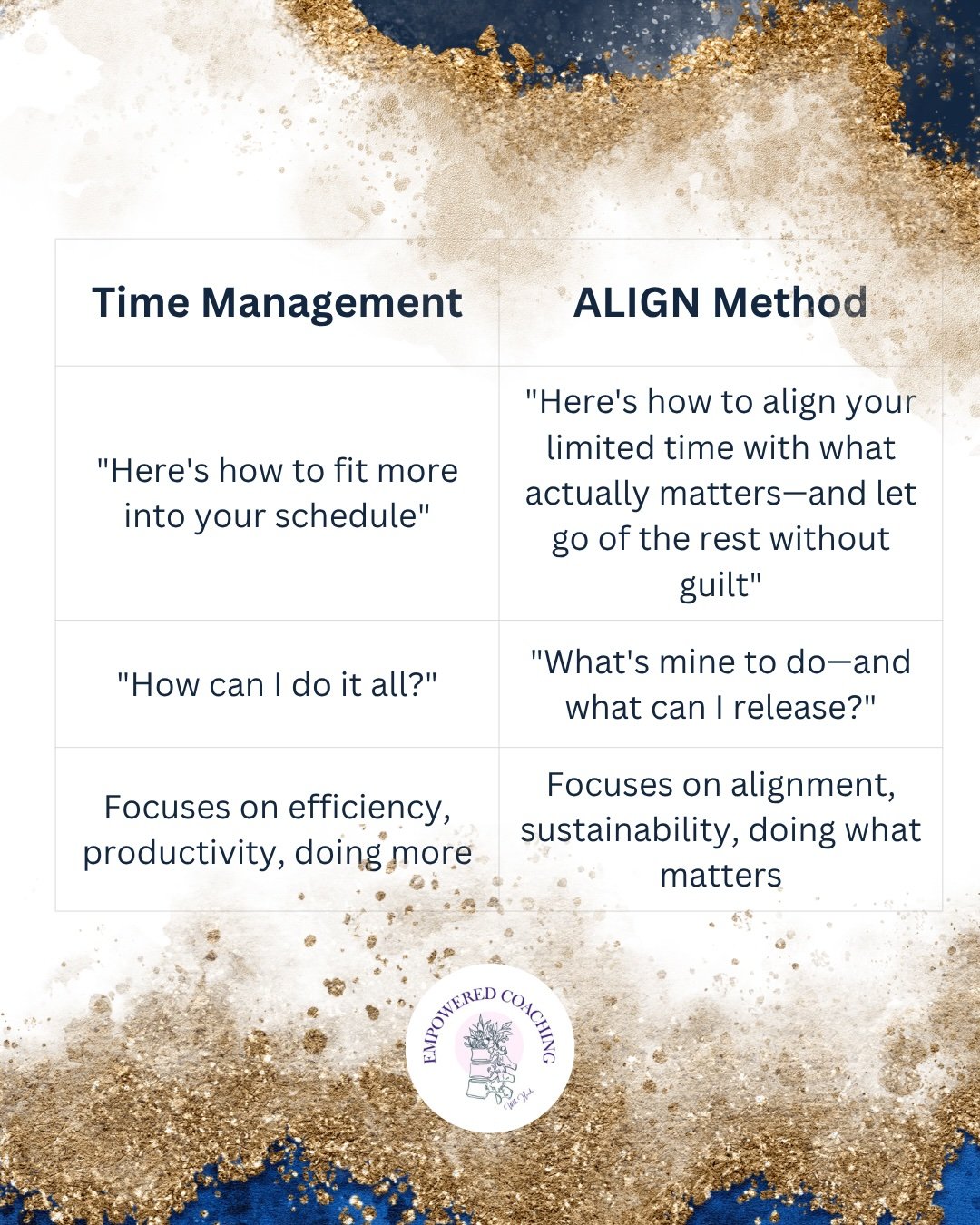
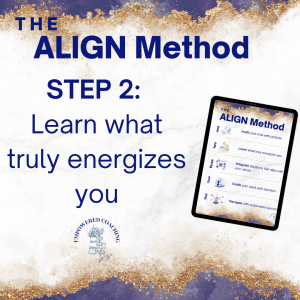
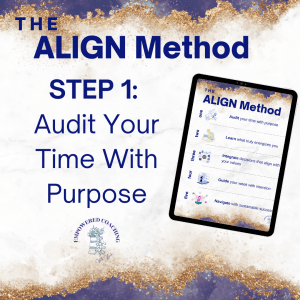
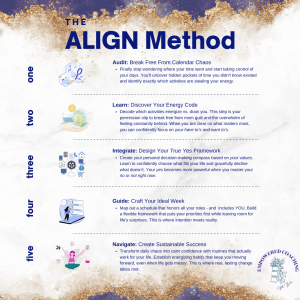
- The ALIGN Method for designing sustainable engagement
And now you might be thinking: “Okay, I get the framework. But what do I actually DO?”
Great question. Today, we’re moving from theory to action.
Not overwhelming, all-consuming action. Just one small, sustainable step.
Because here’s the truth: Small actions, sustained over time, create seismic shifts.
Let’s get started.
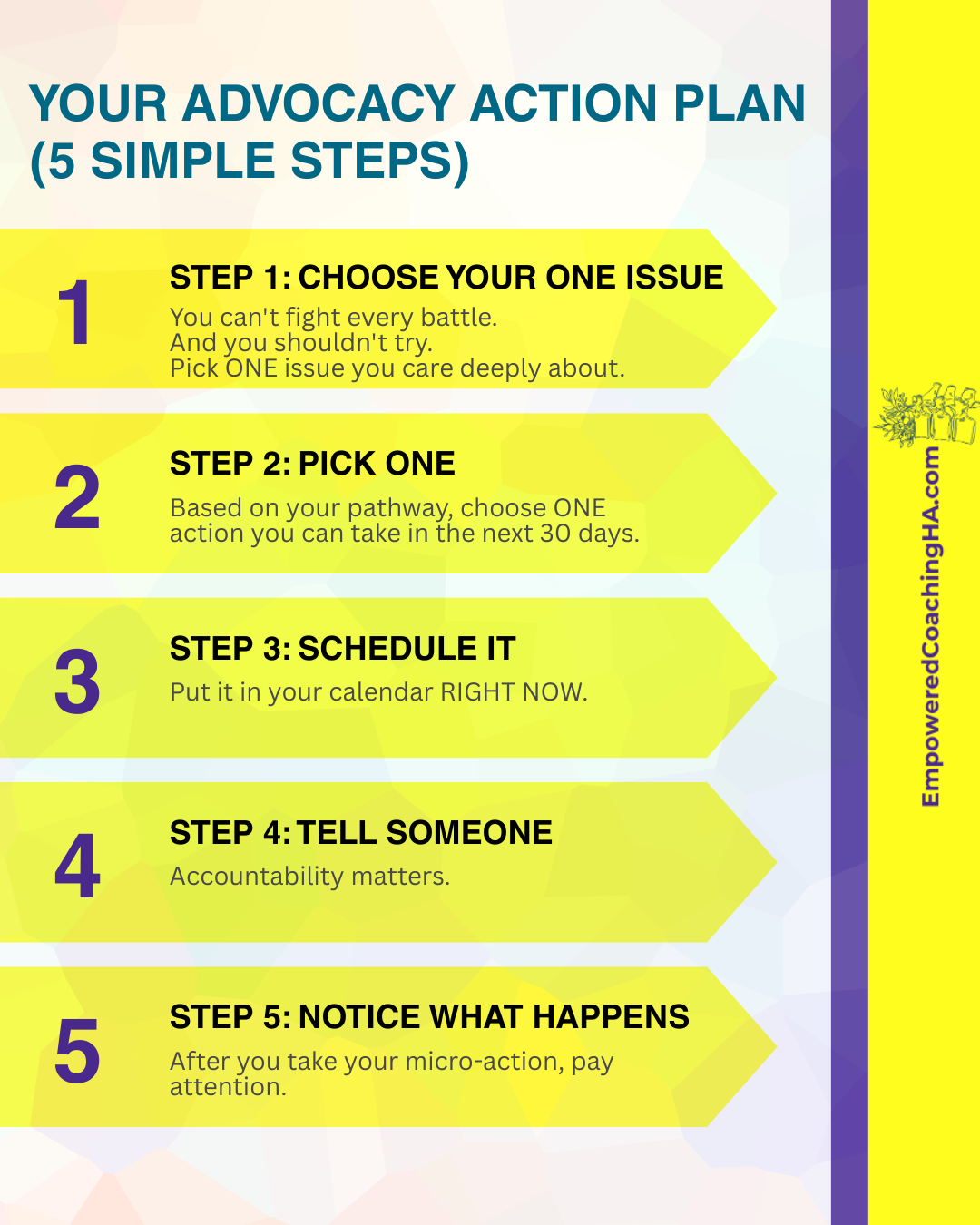
Your Sustainable Advocacy Action Plan
Here are 5 simple steps to go from “I want to help” to “I’m actually doing something”—without burning out.
Step 1: Choose Your ONE Issue (10 minutes)
You can’t fight every battle. And you shouldn’t try.
Pick ONE issue you care deeply about.
Prompts to Help You Decide
- What problem do I complain about most often?
- What injustice keeps me up at night?
- Where do I have unique insight or lived experience?
- What change do I want to see in my lifetime?
- If I could move the needle on ONE thing, what would it be?
Examples of Specific Issues
- School medication access policies
- Workplace parental leave equity
- Local food insecurity
- Mental health resources in schools
- Affordable housing in my community
- Environmental justice in my neighborhood
- Disability accessibility in public spaces
Important: Not “all of healthcare” or “climate change” or “social justice.”
Pick ONE specific issue where you have a stake, some knowledge, or lived experience.
Your Turn: Write It Down
“I want to create change around ___________.”
Step 2: Pick ONE Micro-Action This Month (5 minutes)
Based on your advocacy pathway, choose ONE action you can take in the next 30 days.
For Connectors
- Introduce two people who should know each other about this issue
- Join one community group, Facebook group, or coalition related to your issue
- Attend one virtual or in-person meeting (school board, community meeting, advocacy group)
- Reach out to one local organization and ask “How can I help?”
For Creatives
- Write one social media post sharing your perspective on this issue
- Create one piece of content (blog post, video, graphic) explaining why this matters
- Share one article about your issue with a personal reflection
- Write one letter to the editor or op-ed draft
- Start documenting one story related to your issue
For Record Keepers
- Attend one meeting (school board, city council, coalition) and take detailed notes
- Create one resource document (FAQs, timeline, contact list, policy summary)
- Research the history of one relevant policy in your area
- Set up a simple system to track developments on your issue (Google Doc, spreadsheet, Notion page)
- Join one meeting and volunteer to be the note-taker
For Builders
- Identify one system or tool that’s missing and sketch out what it could look like
- Volunteer to help with one existing website, database, or workflow project
- Create one template or resource that others could use (petition template, meeting agenda, email script)
- Offer your professional skills to one organization (HR? Design? Tech? Project management?)
- Build one simple tool (spreadsheet, form, checklist) that makes advocacy easier
The Key: Pick What’s Doable, Not Impressive
Pick the ONE that feels least overwhelming. Not the most impressive—the most doable.
Your Turn: Write It Down
“This month, I will: ___________.”
Step 3: Schedule It in Your Calendar (2 minutes)
This is where most people fail.
They have good intentions. They “want to get to it.” But they never actually block the time.
Put it in your calendar RIGHT NOW.
Not “someday.” Not “when things calm down.” Not “next week when I have more time.”
Pick a specific date and time in the next 30 days.
Real Examples
- July 20, 7-8pm: Attend virtual school board meeting and take notes
- July 15, 11am-12pm: Research local housing coalition and join their Facebook group
- July 25, 8-9pm: Write draft blog post about workplace parental leave
- July 18, lunch break: Create spreadsheet template for tracking school policy decisions
- July 22, 30 minutes: Introduce Sarah (who cares about mental health) to the school counselor via email
Block the time. Set a reminder. Treat it like a doctor’s appointment.
Pro tip: Don’t just write “advocacy action” in your calendar. Write the specific thing you’re doing. When the time comes, you want zero mental load—just action.
Your Turn: Write It Down
“I will do this on ___________ at ___________.”
Step 4: Tell Someone (1 minute)
Accountability matters.
When you tell someone what you’re planning to do, you’re way more likely to actually do it.
Three Accountability Options
Option 1: Reply to Me
Reply to this email and tell me:
- What issue you chose
- What action you’re taking
- When you scheduled it
I read every response, and I’ll cheer you on.
Option 2: Tell Someone Close to You
Tell a friend, partner, or family member:
“I’m committing to [specific action] on [specific date] because I care about [specific issue].”
Option 3: Go Public
Post it in a community group, on social media, or wherever you have supportive people:
“Trying something new: taking one small advocacy action this month. I’m doing [action] on [date]. Accountability welcome!”
The key: Don’t just think it. SAY it out loud to someone.
Step 5: Notice What Happens (Ongoing)
After you take your micro-action, pay attention.
Reflection Questions
Ask yourself:
- How did that feel?
- Did it energize me or drain me?
- Do I want to do more of this, or does this tell me I’m in the wrong pathway?
- What did I learn?
- What’s one thing I could do next month to build on this?
Not Every Action Feels Amazing (And That’s Okay)
Not every action will feel amazing. That’s okay.
Sometimes you learn:
- “Actually, I hate attending meetings”
- “Turns out I love writing about this issue”
- “I need to find a different group—that one wasn’t a good fit”
All of that is useful information.
You’re not failing. You’re learning what sustainable advocacy looks like FOR YOU.
“Small action. Real impact. Sustainable pace.”
The Truth About Getting Started
You don’t need to have it all figured out.
You don’t need a perfect plan.
You don’t need to know exactly how this will unfold.
You just need to take ONE action this month.
- One meeting attended.
- One person connected.
- One story shared.
- One resource created.
That’s enough.
And next month? You’ll have more information about what works for you. You’ll adjust. You’ll refine.
That’s the marathon mindset.
Not sprinting out of the gate with unsustainable commitments. But pacing yourself with small, consistent actions that you can maintain for years.
Your Homework This Week
Do the 5 steps:
- ✍️ Choose your ONE issue (10 minutes)
- ✍️ Pick ONE micro-action (5 minutes)
- 📅 Schedule it in your calendar (2 minutes)
- 📢 Tell someone (1 minute)
- 🔍 Notice what happens (ongoing)
Total time investment this week: 18 minutes
Then, actually DO the thing you scheduled.
And after you do it? Reply and tell me how it went. I genuinely want to know.
Because every small action matters. Including yours.
Ready to Take Action?
If you want some help designing your advocacy action plan—or accountability as you take these steps—that’s exactly what coaching is for.
Book a free 30-minute consultation and let’s map out your action plan together.
We’ll talk about:
- Your advocacy issue (and why it matters to you personally)
- Your natural pathway (where your strengths are)
- Your first realistic action (not overwhelming, actually doable)
- How to build accountability without guilt
Because taking action doesn’t have to mean doing it alone.
Here’s to taking action,
Heidi
P.S. The most common excuse I hear? “I don’t know which action to pick. There are so many options.”
Here’s my advice: Pick the one that feels least overwhelming—not the most impressive.
You can always build from there. But if you start with something that feels too big, you’ll quit before you start.
Undercommit. Overdeliver. That’s how sustainable action happens.
P.P.S.
Once you complete all 5 steps and take your first action, I’d love to hear from you.
- What action you took
- How it felt
- What you’re doing next
This is how we celebrate the small wins that lead to big changes. 🎉
#MarathonMindset #TimeToEvolve #TakeAction