Hey there,

I’m back!! I took a little time off between my daughter’s birthday (we made a pretty sweet soccer ball cake), spring break down in South Florida, my husband’s birthday, my sister visiting for her spring break and celebrating her 40th birthday, a No Kings rally, a little surprise birthday for a friend, a neighborhood Easter egg hunt and brunch, and up to Durham for my husband’s 20th college reunion—more on that later😉
Whew…
Last time which now officially seems forever ago, I shared how letting go of old strategies created capacity for me to advocate for school medication policy changes—work that could impact many kids.
Since then, I’ve heard variations of the same question:
“I want to make a difference too. But I’m already exhausted. I don’t have energy for protests or marches. Does that make me a bad person?”
Short answer: Absolutely not.
Longer answer: Let me introduce you to a concept that changed everything for me.
The Myth of the Megaphone
Here’s what most of us picture when we think “activist”:
- Raised voices and confrontational conversations
- Protests and marches
- Constant availability for “the cause”
- Sacrificing your well-being for the greater good
And if that’s not you? If you’re introverted, conflict-averse, already stretched thin, or just need quiet to recharge?
You assume you can’t make a difference.
But that’s not true.
The Book That Changed My Perspective on Activism
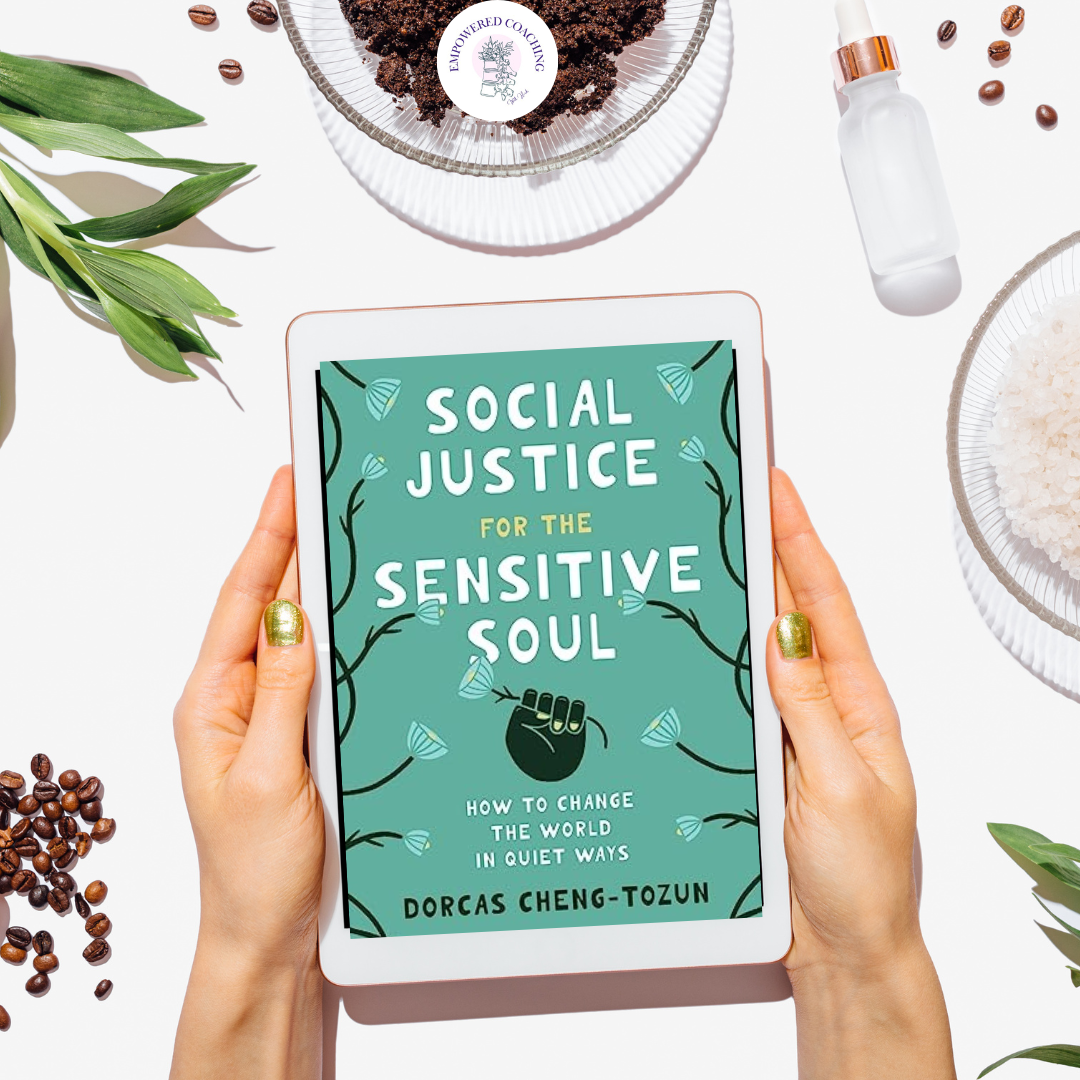
This past summer, I read Social Justice for the Sensitive Soul by Dorcas Cheng-Tozun, and it completely reframed how I think about advocacy.
Here’s the game-changer: Quiet, consistent work is just as crucial as loud, visible action.
Maybe even more so.
Think about marathons: they’re not won by sprinting the first mile.
It’s a Marathon, Not a Sprint
Sprinters burn bright and fast. They give everything for 100 meters. It’s impressive. It’s visible. It’s over in seconds.
Marathon runners pace themselves. They protect their energy. They fuel strategically. They rest when needed. They finish.
Advocacy is the same.
Sprint Mentality vs. Marathon Mindset
Sprint Mentality:
- Show up to every protest
- Attend every meeting
- Sign every petition
- Share every post
- Burn out in 3 months
- Disappear from the work entirely
Marathon Mentality:
- Choose your lane strategically
- Show up consistently in YOUR way
- Rest without guilt
- Play to your strengths
- Still engaged years later
- Actually create lasting change
The movement doesn’t need you to sprint until you collapse.
It needs you to find a sustainable pace.
4 Pathways for Sustainable Impact
Not everyone needs to be on the front lines. In fact, movements can’t succeed without people working in different roles.
Here are four pathways adapted from Social Justice for the Sensitive Soul.
Which one resonates with you?
1. The Connector: Building Relationships and Social Capital
The Connector builds relationships and social capital.
Example: Creating a parent advocacy group that connects families with resources
What this looks like:
- Introducing people who should know each other
- Building coalitions across different groups
- Creating community spaces (online or in-person)
- Facilitating conversations between stakeholders
- Networking to amplify others’ work
2. The Creative: Using Storytelling and Art to Inspire Change
The Creative uses storytelling and art to inspire change.
Example: Starting a diversity book club that shifts school culture
What this looks like:
- Writing op-eds or blog posts
- Creating graphics or videos that explain complex issues
- Documenting stories that need to be told
- Using social media to raise awareness
- Making the invisible visible through your craft
3. The Record Keeper: Preserving History, Data, and Institutional Knowledge
The Record Keeper preserves history, data, and institutional knowledge. (Think @heathercoxrichardson!)
Example: Documenting school board meetings so advocates have the information they need
What this looks like:
- Documenting meeting notes and decisions
- Tracking data and outcomes
- Researching policy history and precedents
- Organizing resources and archives
- Maintaining institutional memory
4. The Builder: Developing Systems and Tools That Serve the Mission
The Builder develops systems and tools that serve the mission.
Example: Creating a parental leave policy template that dozens of companies can use
What this looks like:
- Creating tools that make advocacy easier
- Building websites or databases
- Designing workflows and processes
- Developing apps or platforms
- Streamlining operations so others can focus on frontline work
Finding Your Advocacy Pathway: Your Next Steps
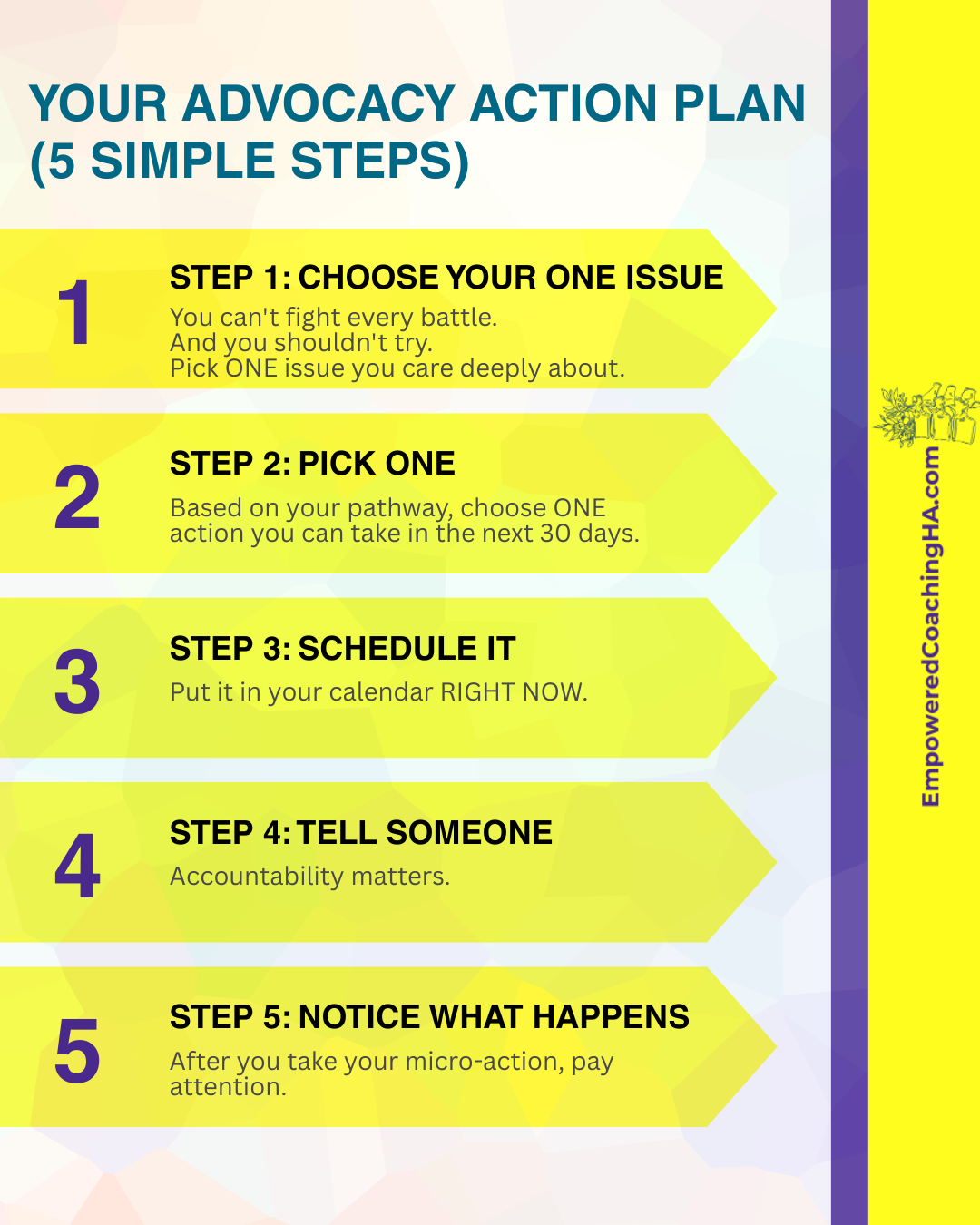
Take 2 minutes right now:
Which pathway made you think, “Oh, I could actually do that”?
That’s your lane.
What You’ll Learn Next
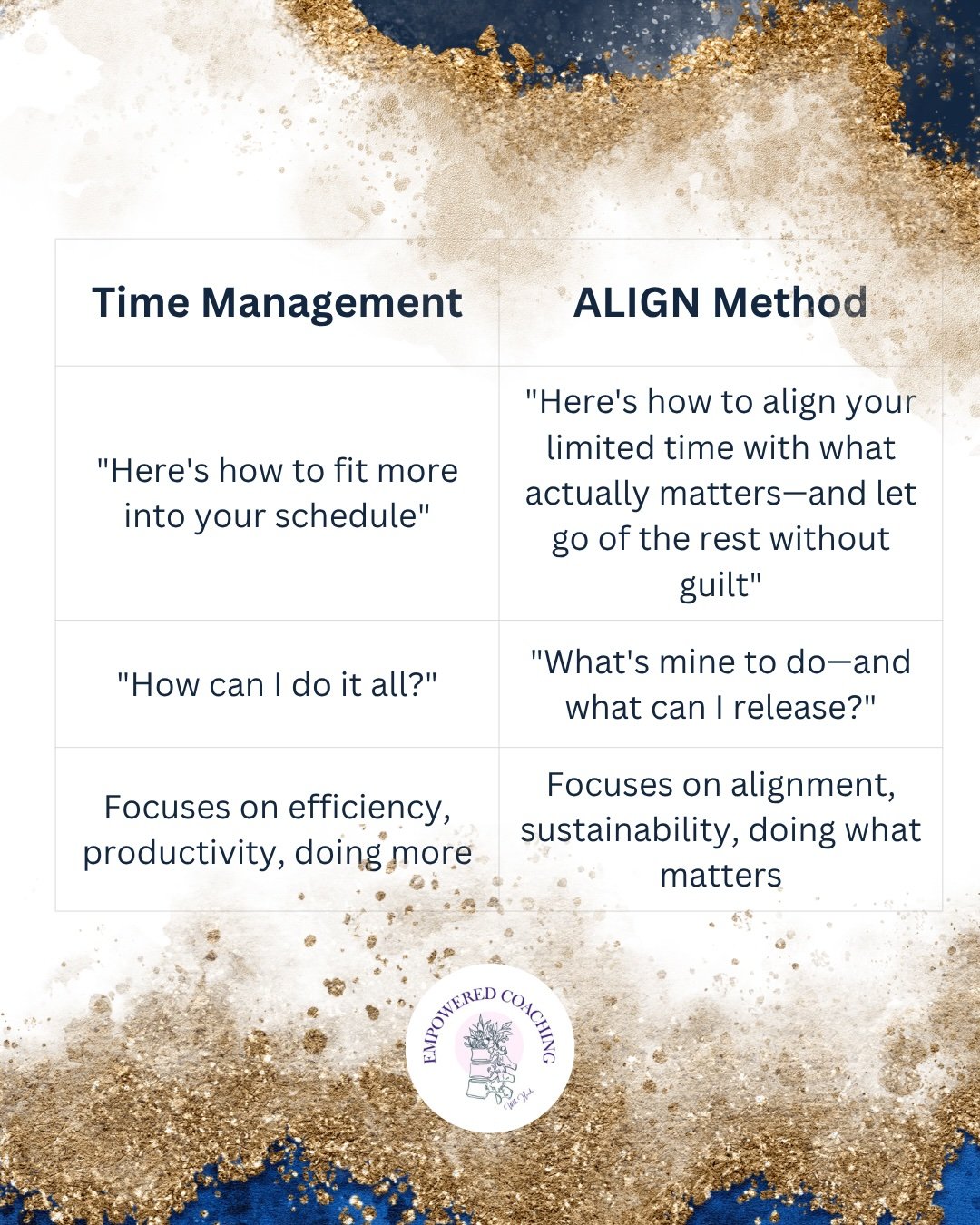
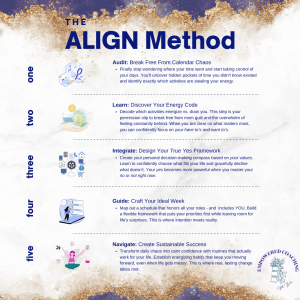
Next week, I’ll show you exactly how to integrate your pathway into your real life—with the ALIGN Method adapted for sustainable advocacy.
When we work together, with the ALIGN Method, you’ll learn:
- How to audit your actual capacity (not fantasy capacity)
- How to choose the ONE issue that aligns with your values
- How to create a sustainable schedule you can maintain for years
- How to rest without guilt (because rest is resistance)
Until then, reply in the comments below and tell me: Which pathway makes sense for you?
Which role resonates with you—and what issue do you care about most?
Because here’s the truth: The world needs your unique contribution. Not someone else’s. Yours.
And you don’t have to be loud. You just have to show up consistently in YOUR way.
Here’s to the marathon,
Heidi
P.S. My pathway? I’m a Creative-Builder hybrid. I use storytelling and content (like this blog and workshops) to make concepts accessible—that’s the Creative part. And I build practical frameworks and tools (like the ALIGN Method and advocacy templates) that people can actually use—that’s the Builder part. The two amplify each other: content inspires change, tools make it actionable. I attend school board meetings when I can and I stay engaged with groups doing wonderful work. I rest during school breaks without guilt—that’s sustainable for me.
Progress? Slow, steady, sustainable. What’s YOUR pathway?
P.P.S. If you’re thinking, “I want to do this, but I have no idea how to make time for it”—that’s exactly what we’ll cover in the next post. Can’t wait? Book a free 30-minute consultation and let’s design your sustainable advocacy path together.
#marathonmindset #timetoevolve #alignmethod