
Why Old Strategies Fail Working Moms (And How to Find New Ones)
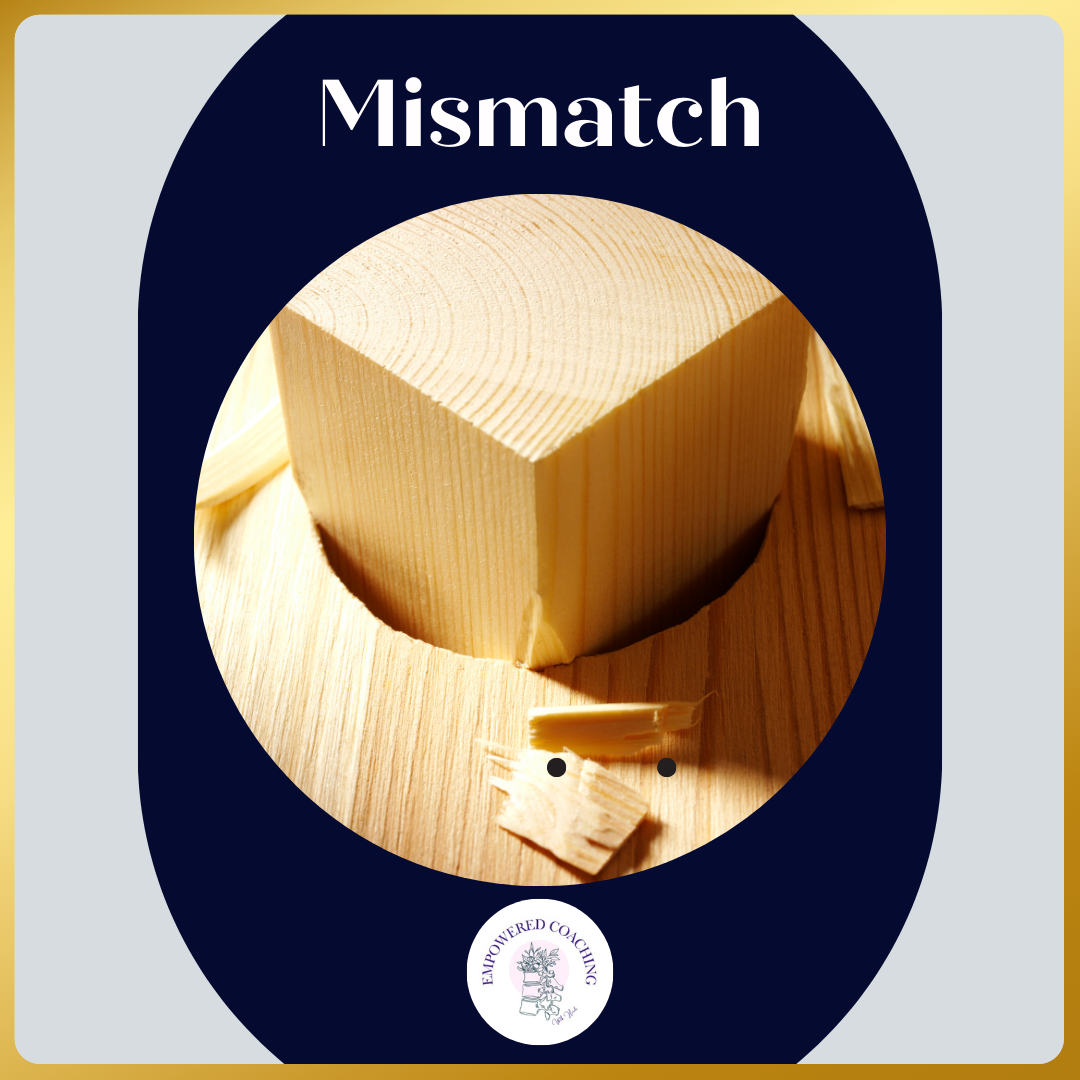
Last week we talked about mismatches – those moments where what you need and what’s available just don’t line up. There’s another mismatch I think many of us have been stewing on: the world feels like it’s on fire, numerous atrocities light up our newsfeeds 24/7, and you want to make a difference—but you’re already overwhelmed by the day-to-day… wanting to be an advocate but wondering when, how, what, where…
So we do nothing. And then we feel guilty about that, too.
The Mismatch Between Who You Were and Who You Are Now
And all of this loops right into a mismatch I see all the time that nobody really talks about:
The mismatch between who you USED to be and who you ARE now.
Because here’s what I’m seeing: The strategies that got us through our 20s and early careers won’t get us where we want to go now—whether that’s around a personal, specific goal OR the capacity to create change in our brains, beyond our four walls and in our communities.
The 20s Strategy That Doesn’t Work Anymore
Let me explain: Maybe in your 20s, you could power through on 5 hours of sleep, chug some coffee, and still crush your workday. That worked then.
But now? You try that and you’re irritable with your kids, foggy-brained in meetings, and craving sugar by 3 PM. Your body literally can’t do what it used to do.
That’s not failure. That’s evolution.
Why Your Old Career Strategy Is Burning You Out
Maybe you built your early career by saying yes to everything – every project, every committee, every networking event. That’s how you proved yourself. That’s how you got ahead.
But now? Every yes drains you a little more. You’re stretched thin. You have no capacity left for what actually matters—your health, your relationships, the causes you care about, and the change you want to see in your community.
The strategy that worked then is the mismatch now.
The Strategy Shift Nobody Expects: Boundaries Create Capacity
And here’s the evolution: the shift from trying to save the world through self-sacrifice to creating sustainable change through strategic self-care. Sounds backwards, right?
Stick with me—I’ll show you why it’s not.
Why We Cling to Outdated Strategies
Here’s what I see happening:
We hold onto strategies from earlier versions of ourselves – strategies that worked in a different season – and we keep trying to force them to work NOW.
And when they don’t work, we assume WE’RE the problem.
“I used to be able to handle this.” “I’m just not as resilient as I used to be.” “Everyone else seems to manage just fine.”
What If You’re Not the Problem?
What if your old strategies are simply mismatched with your current life?
The Strategy Evolution Framework: 4 Shifts Working Moms Need to Make
Think about it:
- You used to prioritize being liked by everyone → Now you need to prioritize being respected (and liking yourself)
- You used to prove your worth through productivity → Now you need to protect your energy
- You used to avoid conflict at all costs → Now you need to have the hard conversations, at home and work
- You used to put everyone else first → Now you need to make your health and well-being non-negotiable
None of this makes your old strategies “wrong.” They served you in that season. But here’s the truth: what got you here won’t get you there.
How to Identify Your Mismatched Strategies: 4 Essential Questions
Here’s what needs to happen:
You need to identify which old strategies are now mismatches – and take action to create new ones.
Here are the questions to ask yourself:
- What strategy worked for me in an earlier season that’s not working now? (Example: “I used to be the person who never said no. Now that exhausts me.”)
- What am I still doing out of habit rather than intention? (Example: “I still volunteer for everything at school because I always have, not because I want to.”)
- What belief am I holding onto that no longer serves me? (Example: “I believed that ‘good moms’ are always available. Now I know that’s not sustainable.”)
- What conversation have I been avoiding because I’m afraid of disappointing someone? (Example: “I need to tell my boss I can’t take on this extra project, but I’m worried about how it will be received.”)
Here’s the action part:
Pick ONE old strategy that’s not working anymore.
Just one.
And decide on ONE small action you can take this week to start shifting it.
Real Examples: How Small Strategy Shifts Create Big Impact
Want some relatable examples?
Example 1: The “Good Mom” Attendance Myth
Old strategy: “I have to attend every single kids’ activity to be a good mom”
Action: Started alternating events with her partner. Went to half, guilt-free.
Result: More energy for the events she DID attend. Better presence with her kids.
Example 2: The Email Response Trap
Old strategy: “I have to respond to every work email ASAP to prove I’m dedicated”
Action: Set boundaries around email checking (morning, lunch, end of day only)
Result: More focused work time. Less anxiety. No negative impact on performance reviews.
Example 3: The “I Can’t Ask for Help” Belief
Old strategy: “I can’t ask for help because that means I’m not capable”
Action: Started delegating one household task per week
Result: More time for what she actually wanted to do. Relationship with partner improved.
The Ripple Effect: How Personal Alignment Creates Community Impact
Notice the pattern?
Small action. Big impact. And most importantly: no guilt, no apology, just alignment.
Not because the action itself was huge, but because it was aligned with who they are NOW.
Beyond Your Four Walls: The Surprising Benefit of Boundaries
And here’s what might surprise you: when you stop burning yourself out trying to be everything to everyone, you don’t just get your life back. You create capacity for what matters beyond your four walls.
Real ripple effects:
The mom who stopped attending every activity? She now has energy to volunteer at the food bank twice a month.
The one who set email boundaries? She mentors junior colleagues on sustainable work practices—creating ripple effects in her workplace culture.
The one who started delegating? She finally had bandwidth to join her neighborhood association and advocate for the sidewalk project that’s been needed for years.
Small shifts. Big ripples.
How Boundary-Setting Enabled Policy Advocacy

Let me show you what this looked like in my own life…
The Strategy Shift Nobody Expects: How Boundaries Create Capacity
Here’s what I’ve learned through my own evolution and my advocacy work with Parents Who Lead:
Old Strategy: Be available for everyone, all the time. Prove your commitment through exhaustion. Feel guilty when you rest.
Current Reality: You’re burning out. You’re resentful. You have NO energy left for anything beyond immediate survival.
New Strategy: Protect your energy ruthlessly. Set boundaries unapologetically. Choose your battles strategically.
Unexpected Result: You actually have capacity to create meaningful change.
My Real Example: From Bounce Houses to School Board Meetings
My real example: I used to think I had to say yes to everything. Every birthday party. Every work project. Every request for my time. I thought that’s what “good” looked like.
But when I was operating that way? I had ZERO capacity for advocacy work I actually cared about.
❌ Too tired to attend school board meetings
❌ Too overwhelmed to build coalitions
❌ Too depleted to fight for policy changes
The Turning Point: Three Strategic Shifts
Then I shifted my strategy:
✅ Set boundaries around my energy (bounce house parties → husband’s territory)
✅ Changed jobs to align with my values
✅Stopped proving myself through people-pleasing
The Outcome: Sustainable Impact
And guess what happened?
✅I joined Parents Who Lead
✅I researched school medication policies that were keeping kids from accessing life-saving inhalers
✅I built a coalition for change
✅We’re working toward policy changes that could impact thousands of children
I couldn’t do that advocacy work with my old playbook.
The advocacy paradox:
Taking care of yourself isn’t separate from taking care of your community. It’s the foundation. You can’t sustain meaningful change when you’re running on fumes. It’s a marathon, not a sprint.
Your Action Plan: How to Start Shifting Today
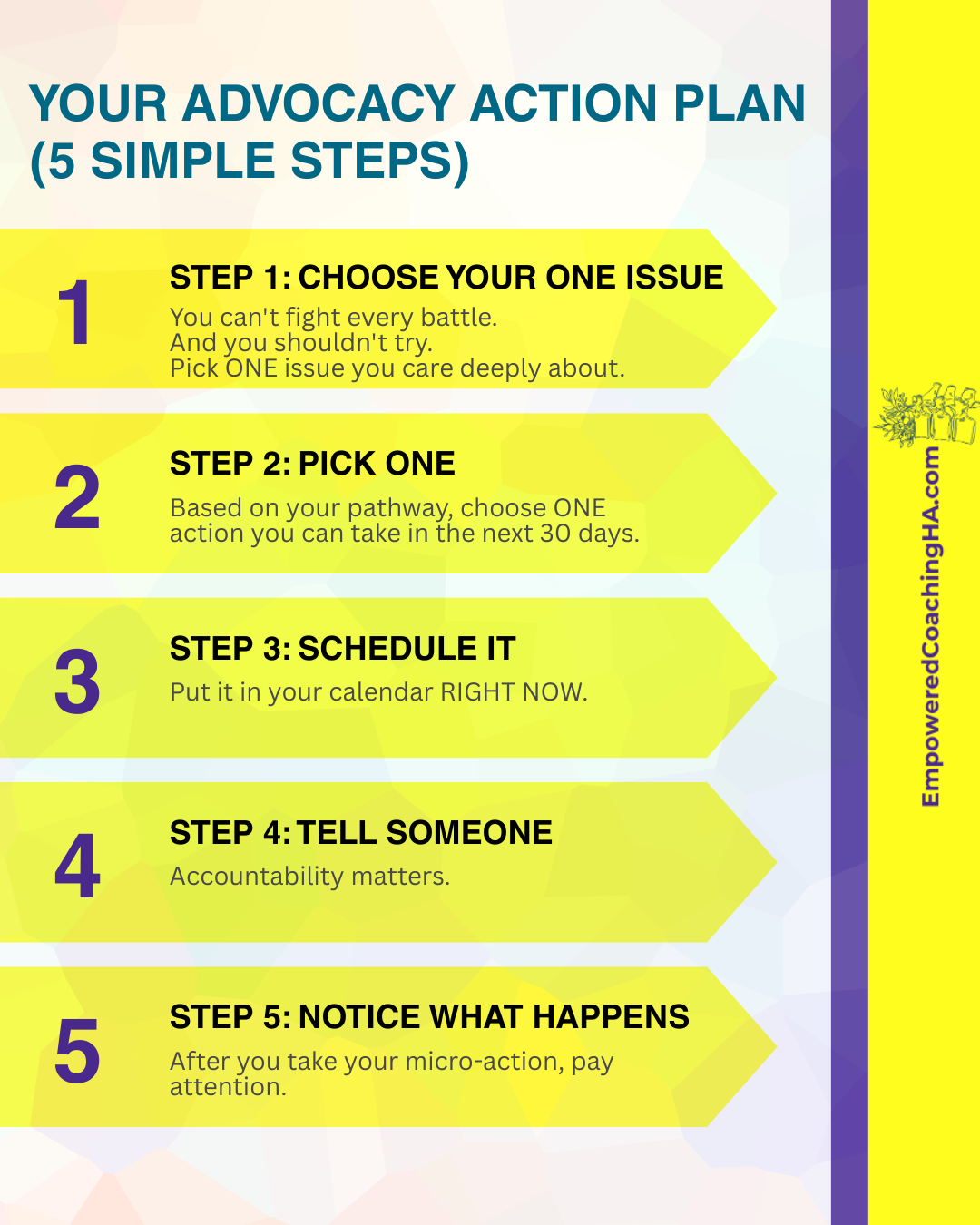
So here’s your homework:
Step 1: Identify ONE Old Strategy:
What’s one strategy that worked before but isn’t working now?
Step 2: Choose ONE Small Action
What’s one small shift you can make this week?
Step 3: Take Action This Week
Actually do it. Put it in your calendar.
Step 4: Notice the Ripple Effects
Notice what changes—not just for you, but for those around you.
Important: Start Small
This doesn’t have to be a community-level action. Start with what’s in front of you.
Maybe you:
– Finally have a conversation you’ve been avoiding
– Stop volunteering for something out of guilt
– Delegate one thing that’s been draining you
– Say no to one commitment that doesn’t align
That’s enough. That’s the start.
The Truth About Alignment: It Goes Beyond Your Calendar
Because here’s the truth: when you align your life, the ripple effects go far beyond your calendar.
✅ You have more patience with your kids.
✅ You show up better at work.
✅ You have energy for the causes you care about.
You create change that matters—in your home AND in your community.
You don’t need to overhaul your entire life.
You just need to start aligning your strategies with who you are now, not who you used to be. And if you’re realizing you have multiple mismatched strategies and you’re not sure where to start?
This is exactly the work we do in coaching.
We identify what’s not working, figure out what WOULD work for you now, and create a plan to actually implement it, so you can reclaim your energy for what truly matters.
Book your free consultation here.

Ready for Support? Here’s How Coaching Can Help
In our call, we’ll get clear on:
– Which old strategies are keeping you stuck
– What new approaches would actually align with who you are now—and the impact you want to create
– Your first actionable step forward (that doesn’t require adding more to your plate)
The Year You Design Strategies That Actually Work
You don’t have to keep using a playbook that doesn’t fit anymore.
And when you create a new one? You won’t just transform your own life. You’ll have the energy to transform your community too.
2026 can be the year you design strategies that actually work for THIS version of you.
Here’s to letting go of what worked then and creating what works now.
Heidi
P.S. Want to know the old strategy I had to let go of? –> “I can do it all on my own if I just try hard enough.” <–That got me through medical school, residency, early motherhood. But trying to do everything myself was burning me out. And it meant I had nothing left for the advocacy work that lights me up—like fighting to change school medication policies so kids don’t end up in my ER unable to breathe.
Now I ask for help, delegate what I can, and hire support when I need it (hello, new website!). I fill my cup first…then pour into what matters. I try not to sweat the small stuff (eh-hem, email and website errors!)…
Turns out, that’s not selfish. That’s sustainable.
AND it was all uncomfortable at first (hello, control issues!), but it’s the only reason I can show up as the mom, doctor, coach, advocate, and human I want to be. What old strategy are you ready to release? #timetoevolve
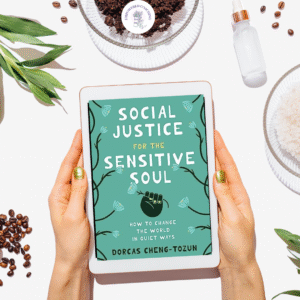
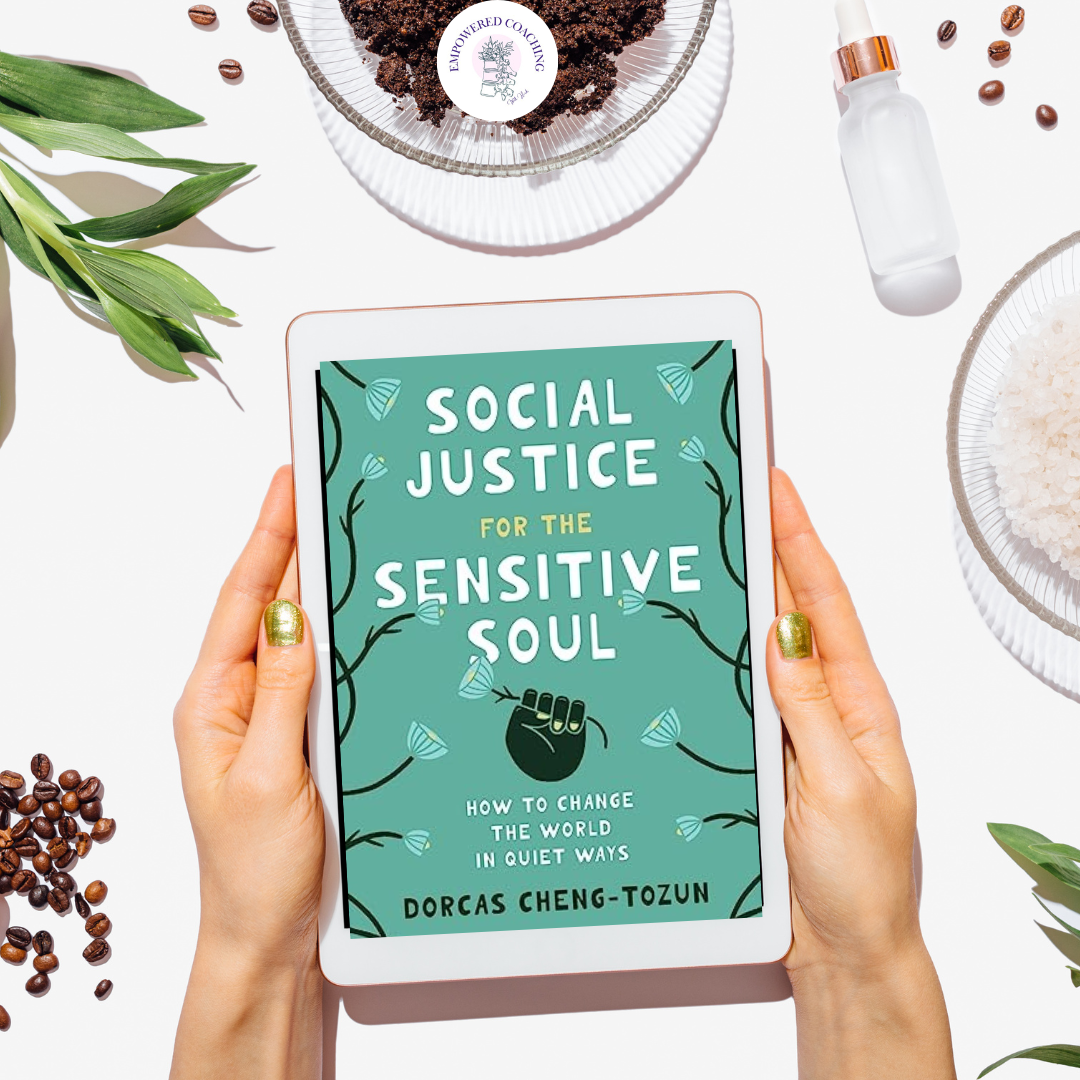
Want a book recommendation? Social Justice for the Sensitive Soul. More to come in my next post.